

Petroleum Resin C9 and Petroleum resin C5’s the difference
Petroleum resins are essential materials across various industries, particularly in adhesives, coatings, and inks. Among the many petroleum resins, C9 and C5 are two of the most commonly used. While their applications are similar, their unique properties make them suitable for different applications. In this blog post, we will explore the differences between C9 and C5 petroleum resins to help you make informed decisions for your projects.
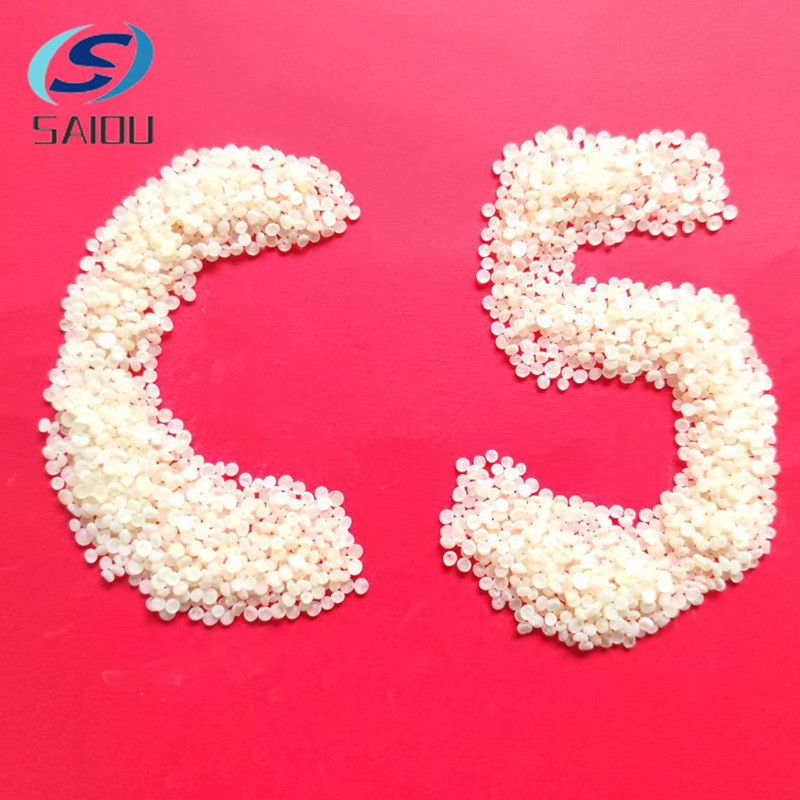
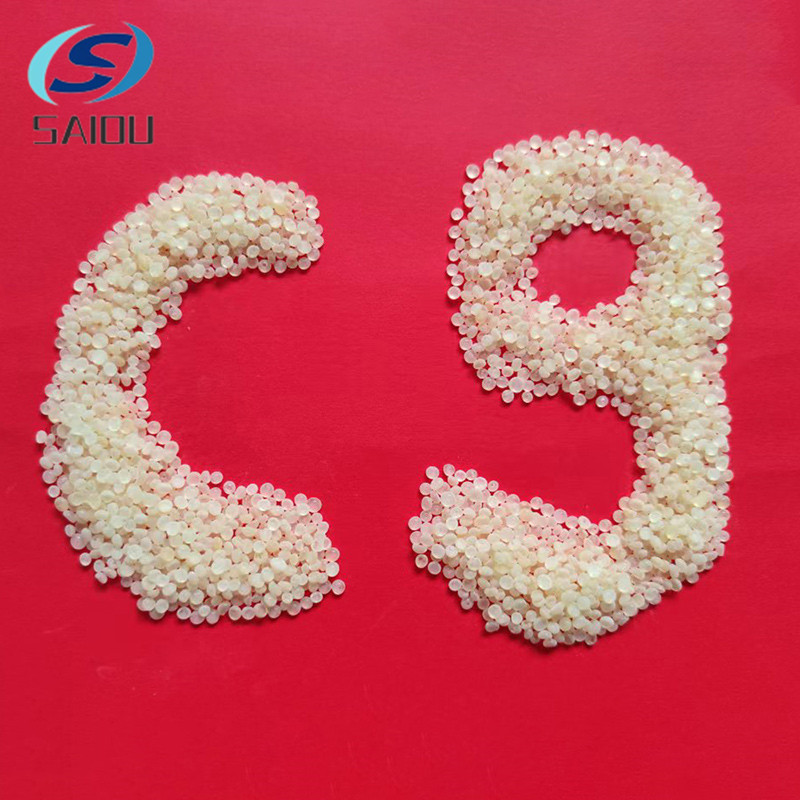

### What are C9 and C5 petroleum resins?
Before delving into the differences between the two, it is essential to understand the concepts of C9 and C5 petroleum resins. Both resins are derived from petroleum distillation and are classified according to their chemical structure and the types of monomers they contain.



**C9 Petroleum Resin:** This type of resin is mainly composed of aromatic compounds and is derived from the C9 fraction of petroleum. They are known for their excellent thermal stability, high softening point, and strong adhesion. C9 resins are commonly used in applications requiring durability and heat resistance.
**C5 Petroleum Resin:** Unlike C9 resin, C5 resin is made from aliphatic compounds, specifically from the C5 fraction of petroleum. Compared to C9 resin, C5 resin typically has a lower softening point and good compatibility with a wide range of polymers. C5 resin is commonly used in applications requiring high flexibility and low viscosity.
### Main differences between C9 and C5 petroleum resins
1. **Chemical Composition**: The main difference lies in their chemical structures. C9 resin is an aromatic resin, while C5 resin is an aliphatic resin. This difference in composition affects their physical properties and performance in various applications.
2. **Softening Point**: C9 resin typically has a higher softening point than C5 resin. This makes C9 resin more suitable for high-temperature applications, such as automotive and industrial adhesives, where heat resistance is crucial.
3. **Adhesive Properties:** C9 resin is renowned for its excellent adhesive properties, making it ideal for applications requiring strong bonding. On the other hand, while C5 resin also possesses good adhesive properties, it may not perform as well as C9 resin under high stress conditions.
4. **Viscosity and Flexibility**: C5 resins typically have lower viscosity, making them easier to process and apply. They also offer greater flexibility, making them suitable for products requiring a soft touch, such as sealants and flexible adhesives. While C9 resins are more rigid, they offer excellent structural integrity.
5. Cost: Generally speaking, C5 resin is more cost-effective than C9 resin. This price difference is crucial for manufacturers to choose the right resin, especially in large-scale production.
6. **Applications**: Due to their unique properties, C9 and C5 resins are used in different application areas. C9 resins are commonly found in high-performance adhesives, coatings, and sealants, while C5 resins are often used in pressure-sensitive adhesives, inks, and low-cost coatings.
### in conclusion
In summary, both C9 and C5 petroleum resins are important materials in manufacturing, but their differences in chemical composition, softening point, adhesive properties, viscosity, cost, and applications make them suitable for different uses. Understanding these differences is crucial for manufacturers and formulators looking to optimize products for specific performance requirements. By selecting the appropriate resin type, you can improve the quality and efficiency of your applications, ensuring that you meet the needs of your customers and the market.
Post time: Oct-14-2026